







Care instructions
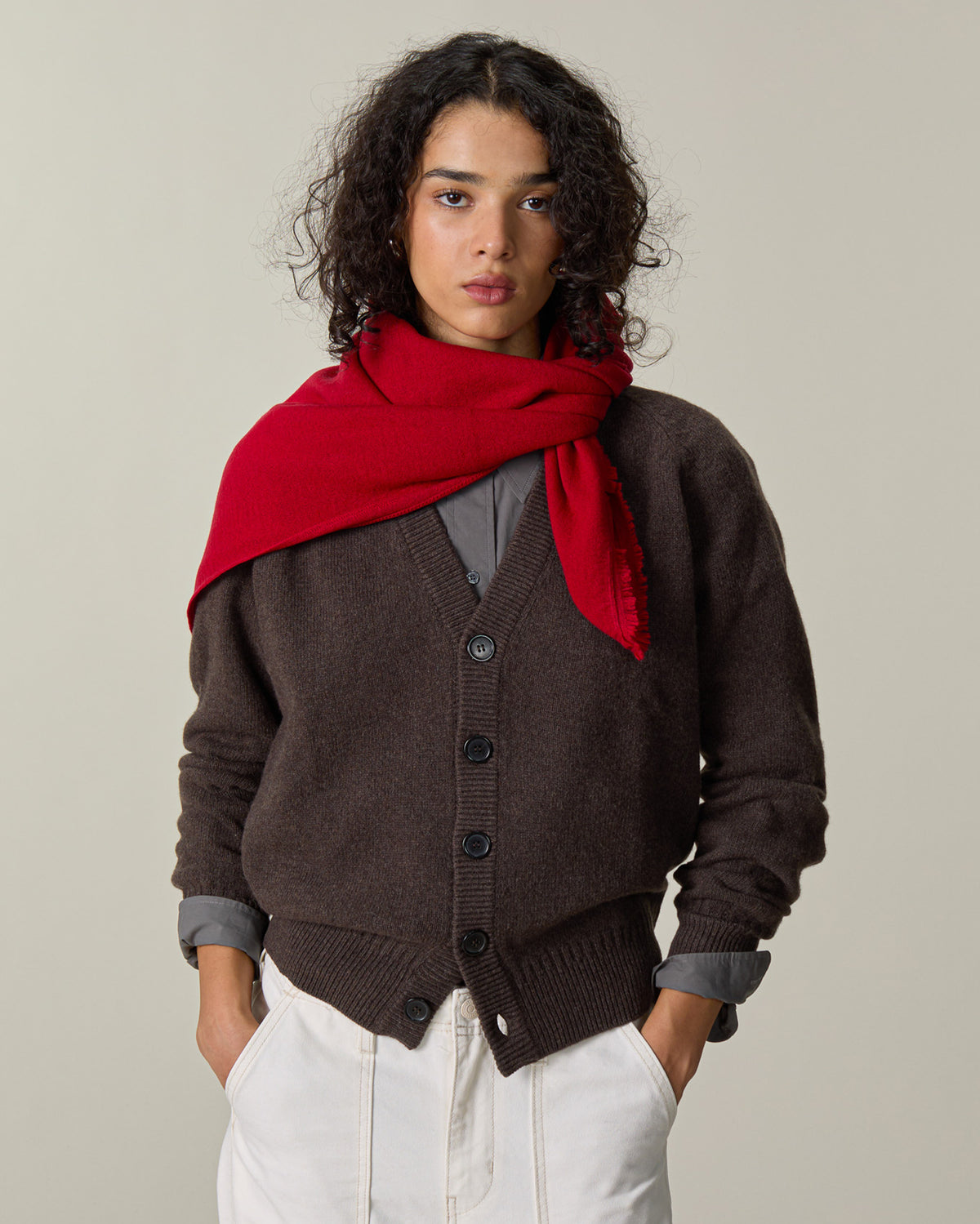
Cashmere is a living, delicate and precious material. To preserve its softness, shape and shine, it deserves special attention.
Here are our essential steps to take care of it, season after season.
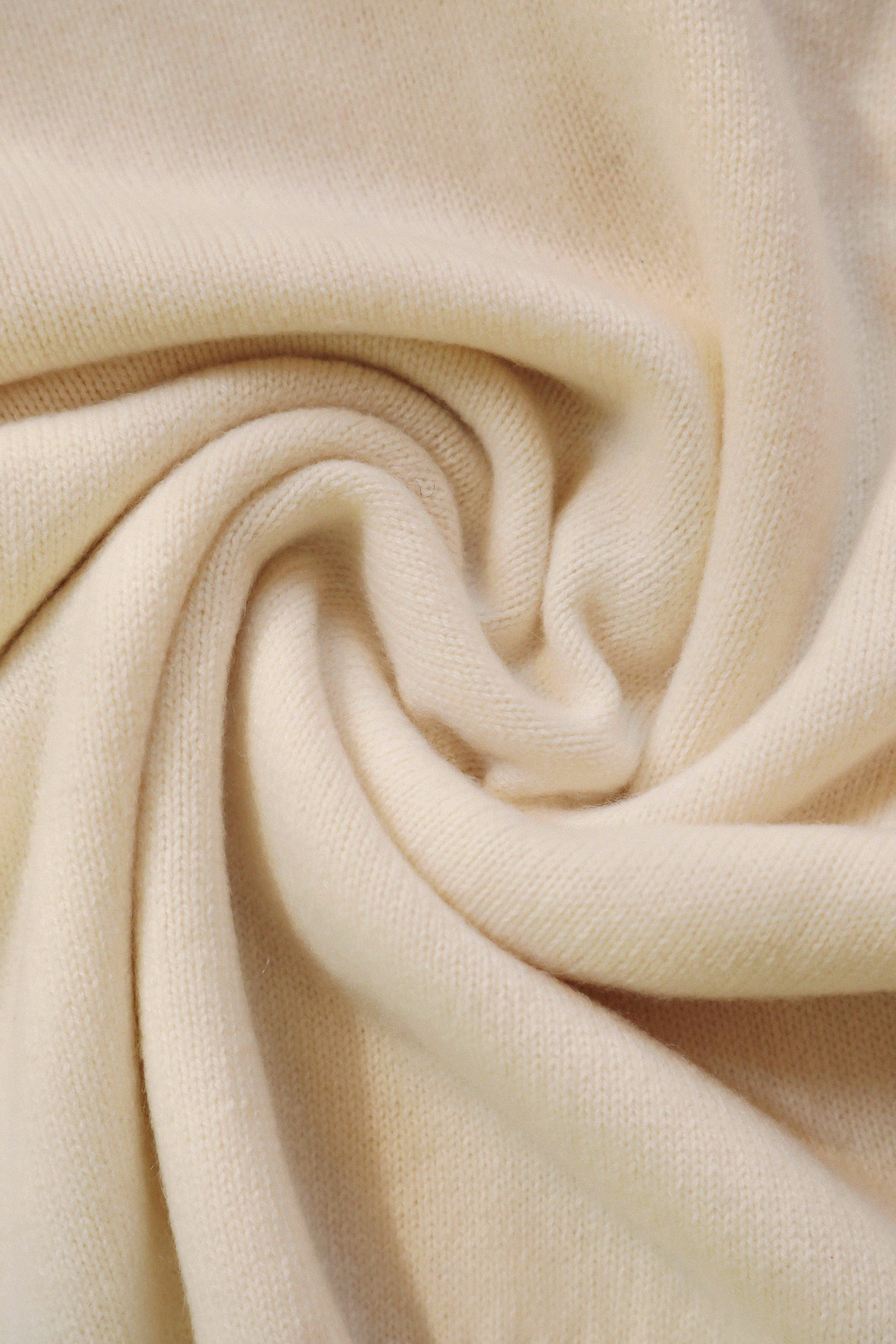
How to wash your Tricot
At Tricot, every piece is designed to last from the very start. Unlike traditional cashmere garments, our creations don’t need repeated washing to remove excess material. Thanks to our fully fashioned knitting technique, each garment is made directly in its final shape, with no excess and no waste. When it’s time for care, a few simple steps are all it takes to preserve the softness and look of your Tricot.

The art of caring
Because the things we cherish grow more valuable over time, imbued with the memories woven into their very fabric. Because they evolve, change, and wear down—just like us. Taking care is a simple, essential act. Practical, yes. Spiritual, too.
BY HAND
Temperature
Use cold or lukewarm water, at a maximum of 30°C. Cashmere is sensitive to heat, which can weaken its fibers and alter its suppleness.
Laundry detergent
Choose a small dose of special wool detergent or a shampoo designed for delicate fabrics. Absolutely avoid fabric softener, which would compromise the natural softness of the fiber.
Washing
Quickly soak your garment without letting it sit. The knitwear should not remain submerged for too long. Gently dab the sweater in the water, without rubbing, then rinse thoroughly until there is no trace of detergent left.
Spinning
Never twist your cashmere. Fold it gently and press it in a clean absorbent towel to absorb excess water, without deforming the fabric.
Drying
Lay your garment flat on a cotton towel, away from direct sunlight and any heat source. This slow, natural drying helps preserve the integrity of the fiber.
BY MACHINE
Protecting the garment
First, place your cashmere sweater in a protective bag. A pillowcase secured with an elastic band (with no zip or buttons) may do, but a specialist garment bag is ideal. This prevents the knit from stretching or becoming damaged.
Wash cycle
Select the “wool” or “delicate” cycle, using cold water and a temperature no higher than 20°C. Cashmere cannot withstand high temperatures.
Suitable detergent
Use a small amount of wool detergent or shampoo designed for cashmere — about 2 teaspoons is enough. Never add fabric softener: it compromises the fiber’s natural softness.
Gentle spin cycle
Set the spin speed to a maximum of 400 rpm (500 rpm at most). Spinning too fast can distort the knit and weaken the fibers.
Drying
Once washed, never use a tumble dryer. Lay your sweater flat on a clean towel, away from direct sunlight and any source of heat. Air-drying is essential to preserve cashmere’s shape and suppleness.
Additional precautions
If your garment has buttons or zippers, place it in a mesh laundry bag to limit friction with other items.
GESTURES TO AVOID
Never wring your cashmere to dry it: this deforms the weave and weakens the fiber.
Avoid high temperatures, whether for washing or drying. Heat alters the suppleness and softness of the yarn.
No fabric softener: it weighs down the fiber and compromises its natural texture.
Don't hang your sweater to dry: this stretches the garment and changes its shape.
Avoid the dryer and direct ironing: cashmere prefers a slow, gentle approach.
PILLING
Pilling may appear on the surface of your cashmere sweater, particularly in areas subject to friction (arms, bag, coat). This is not inevitable, but it can occur over time with wear. It does not affect the quality of the garment.
To remove pills, we recommend using a fabric shaver, gliding it lightly over the knit without pressing down. This removes raised fibers without damaging the knit.
After one or two wears, pilling should become less common. Your knit adjusts and develops character over time.

How to prevent moth holes?
Before putting away your cashmere, especially at the end of the season, be sure to wash it and place it in a breathable garment bag, away from moisture and light. Avoid airtight plastic bags.
To keep moths away, opt for natural repellents such as lavender, cedar, or untreated wooden balls.
And if a hole appears, it can be mended by hand or entrusted to a workshop. At Tricot, repairing means extending — and enhancing — the life of a garment.

IS DRY CLEANING RECOMMENDED?
Dry cleaning at a professional dry cleaner is generally to be avoided. Cashmere needs water: that's why it's better to wash it by hand or in the machine.

IS IRONING RECOMMENDED?
Knit cashmere items can be gently ironed at a low temperature. To avoid stretching the knit, we recommend using a steam iron and passing it over your cashmere item without pressing.

HOW TO REMOVE STAINS?
It is entirely possible to spot-clean a cashmere garment. Follow the guide, depending on the nature of the stain.
Removing a coffee / tea / chocolate stain
Very lightly moisten the stained area, then gently rub with Marseille soap. Let it sit for a few minutes, then rinse.
Remove a sweat stain
For example, in the armpit area, dab the stained area with a sponge soaked in hot water mixed with white vinegar (one tablespoon of vinegar for half a liter of water), then rinse thoroughly.
Remove a wine or makeup stain
Use white vinegar (following the same procedure as for sweat stains). Follow with soapy water (using Marseille soap) and then rinse.
Remove an ink stain
Immediately absorb the ink from the surface with absorbent paper, then dab the stained area with a cotton ball soaked in 70° alcohol. Repeat the process if necessary, then rinse thoroughly.